
Here’s a look back at what happened in the Chicago area on March 5, according to the Tribune’s archives.
Is an important event missing from this date? Email us.
Front page flashback: March 6, 1982
1982: Chicago native John Belushi was found dead at the Chateau Marmont, a Los Angeles hotel.
A coroner’s report later concluded the actor died of “acute cocaine and heroin intoxication.”
Cathy Evelyn Smith was sentenced to three years in prison in 1986 for injecting Belushi with a fatal dose of cocaine and heroin. She was released in 1988.
Weather records (from the National Weather Service, Chicago)
- High temperature: 75 degrees (1983)
- Low temperature: 0 degrees (1978)
- Precipitation: 0.99 inches (1946)
- Snowfall: 9.2 inches (2013)
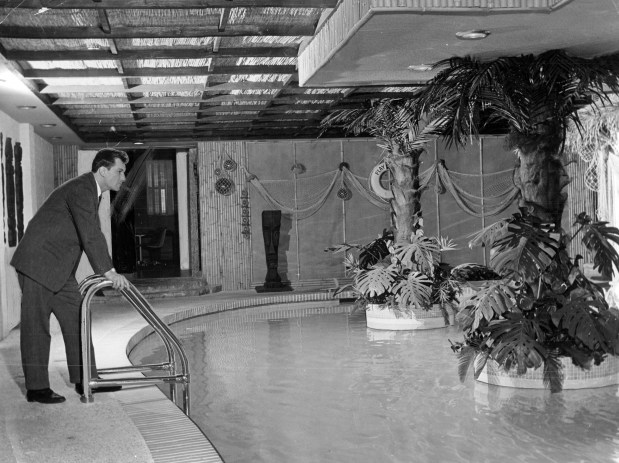
1961: A spread in Chicago Tribune magazine described how Playboy founder Hugh Hefner turned a car-service area inside his Near North Side mansion at 1340 N. State Parkway into a lounge. He also convinced officials he needed to build a pool in the basement. The lounge was positioned slightly lower than the bottom of the pool: ” … in the manner of an aquarium, permitting a view of the swimmers and pool activities.”
Hefner’s office was in his bedroom, which later included a 100-inch-diameter circular bed described as having “more controls and more gadgets than a Boeing 747.” Other Hefner additions included sun and steam rooms, a bowling alley, game room, a closed-circuit television security system and a full-size movie projection system.
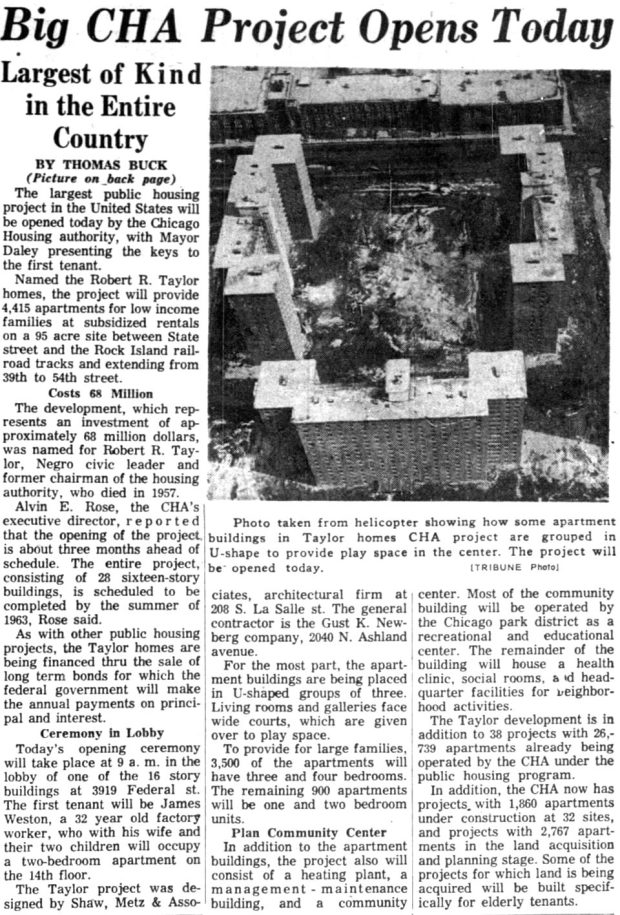
1962: The Robert Taylor Homes — then one of the largest public housing projects in the United States — opened and its first family moved in. The development had 28 high-rises with 4,415 units.
But the complex soon caved under devastating poverty and violence. In the end, the Robert Taylor high-rises failed a congressional “viability test,” which found it was cheaper to house residents elsewhere than to maintain the crumbling high-rise slums.
Demolition of the buildings began in May 1997.
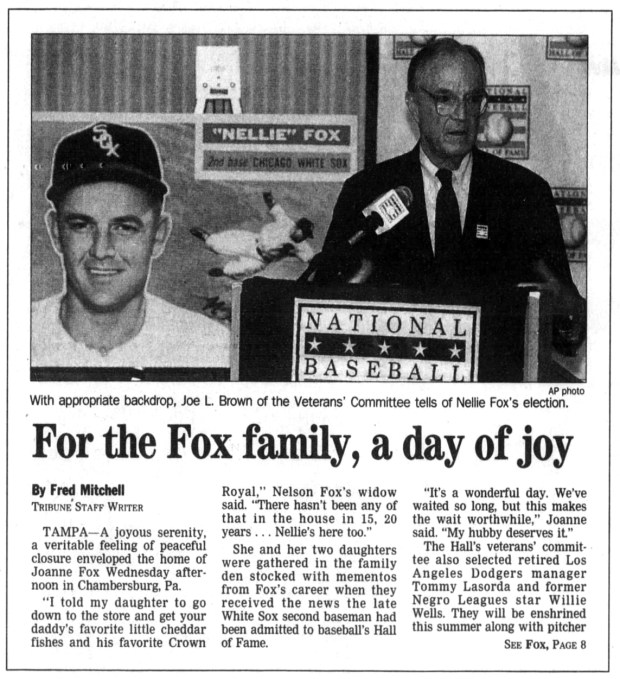
1997: Chicago White Sox second baseman Nellie Fox was elected to baseball’s Hall of Fame.
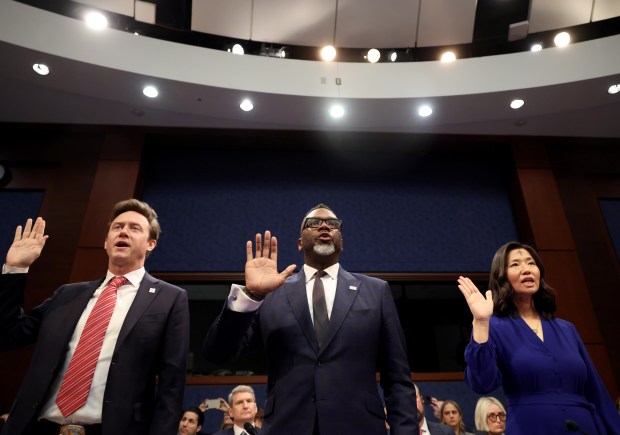
2025: Chicago Mayor Brandon Johnson defended the city’s sanctuary status before a GOP-led congressional committee.
Seated in the middle of a five-person witness panel that included the Democratic leaders from three other major U.S. cities, Johnson touted Chicago’s downward trend in crime as he argued its policy blocking local police from assisting in immigration enforcement in fact makes communities safer.
“I know there are myths about these laws,” Johnson said in his opening remarks to the U.S. House Oversight and Government Reform Committee. “But we must not let mischaracterizations and fearmongering obscure the reality that Chicago’s crime rates are trending down. We still have a long way to go, but sensationalizing tragedy in the name of political expediency is not governing. It’s grandstanding.”
Want more vintage Chicago?
Subscribe to the free Vintage Chicago Tribune newsletter, join our Chicagoland history Facebook group, stay current with Today in Chicago History and follow us on Instagram for more from Chicago’s past.
Have an idea for Vintage Chicago Tribune? Share it with Kori Rumore and Marianne Mather at [email protected] and [email protected]