
There will be no work requirements for 111,0000 low-income people who rely on Medicaid for their health care.
About 76,900 people who rely on the Supplemental Assistance Nutrition Program (SNAP) for their food security between the ages of 19 and 64 who don’t have children under age 14 at home won’t be required to attend employment and training courses to keep their benefits.
At least for now.
In the dysfunction that was the 2026 regular legislative session, the Republican-led House and Senate couldn’t negotiate the differences between their bills — HB 693 and SB 1758, respectively — to update Florida statutes to comply with the federal One Big Beautiful Bill Act, or OBBA, also known as H.R. 1.
The signature legislation for President Donald Trump reduces Medicaid spending by an estimated $800 billion to $1 trillion over the next decade and keeps intact tax cuts initially passed by Trump in 2017 that were set to expire last year.
“It is really unfortunate,” Sen. Don Gaetz, a Crestview Republican and SB 1758 sponsor told the Phoenix.
The bills would have gone beyond what the OBBA demanded.
SB 1758 would have required those low-income residents between the ages of 19 and 64 who are enrolled in Medicaid to work 80 hours per month to keep their benefits.
Florida, though, hasn’t expanded Medicaid to low-income childless adults as allowed under the federal Affordable Care Act, also referred to as Obamacare. So the Senate’s proposed work requirements for that population went beyond what the OBBA required, which was requiring so-called Obamacare Medicaid eligibles to work.
Gaetz, though, lamented the many other provisions in SB 1758 that ultimately didn’t pass as the session grew more rancorous.
“Never mind the work requirement that everybody wants to talk about. The other things in the bill are, frankly, more substantive than the work requirement,” Gaetz said.
“You know, at the heart of the bill is a major rewrite of our mental health [statutes] in order to deinstitutionalize and to get away from spending money on things that don’t work, and to have a much more robust community mental health system. That’s going down the tubes.”
Gaetz referred to a section of SB 1758 that would have directed the Florida Medicaid program to seek federal approval for a home- and community-based behavioral health services program designed to cover an expanded array of services to adults with serious mental illness who are high users of services in institutional settings.
The provision wasn’t in HB 693.
The senator, a former Senate president, also touted a section of the Senate proposal that would have required a state Medicaid pharmaceutical committee to develop a physician-administered drug list, a Medicaid preferred product list, and a high-cost drug list for use in the state Medicaid program.
The bill would have required the state Agency for Health Care Administration to publish the lists on its website. No item could be placed on or removed from the lists without public input.
“We had a chance to get rid of prior authorization for a lot of things,” Gaetz said, referring to a policy that requires Medicaid health care providers to confirm that the medication is medically necessary before its covered.
Again, the provision wasn’t in the House bill.
The House bill, though, would have amended Florida’s Medicaid statutes to prevent payment to any “prohibited entity” in federal law, such as abortion providers like Planned Parenthood, for one year.
The Senate bill didn’t contain that change.
The House and Senate bills were similar on some fronts, though, including requiring older SNAP recipients to enroll in mandatory education and training programs to keep their food benefits. Both bills would have required people between the ages of 59 and 64 to take education and training courses as long as they don’t have have a child under 14 at home. Florida already has education and training requirements for SNAP beneficiaries but they don’t apply to people aged 59 and older who have children under 18 at home.
Similar to placing work requirements on low-income adults for Medicaid, the proposed changes for SNAP embraced by the House and Senate would have gone beyond what the new federal law requires.
“While we’re glad to see this session end without adding an extra burden to low-income Floridians’ access to health care, there’s obviously a lot of work to be done on educating lawmakers and the public about the long-term, harmful impacts of HR 1 for years to come,” Florida Voices for Health Executive Director Scott Darius said in a written statement.
And both bills would have required the Department of Children and Families to lower the SNAP payment error rate to 6% and devise a plan to keep it there. The House bill would have required the state to hit the 6% mark by the end of March. The Senate bill didn’t set a deadline.
Error rates include under- and overpayments. Florida’s error rate in 2024 was more than 15%, the majority of which were categorized as overpayments.
Unless lowered, Florida will be required to contribute to 15% of the costs of the food benefit, or an estimated $1 billion, in 2027.
The Senate bill would have required DCF to include pictures of the SNAP beneficiaries on the electric benefit transfer (EBT) cards they use to purchase food. The House bill didn’t have that language.
“You know, we got a billion dollars at risk because we’ve screwed up EBT and the SNAP system up so bad,” Gaetz said.
Because the Legislature couldn’t reach an agreement on the one, must-pass bill of the session, the budget, or General Appropriations Act, members will have to return to Tallahassee in a special session before the end of June. When asked whether the Medicaid bills will resurface then, Gaetz seemed doubtful.
“It’s always dangerous, I think, to try to do policy in the budget process. It’s cleaner to do policy and then do a budget that serves the policy,” Gaetz said.
Subscribe to Orlando Weekly newsletters.
Follow us: Apple News | Google News | NewsBreak | Reddit | Instagram | Facebook | Bluesky | Or sign up for our RSS Feed
Related Stories
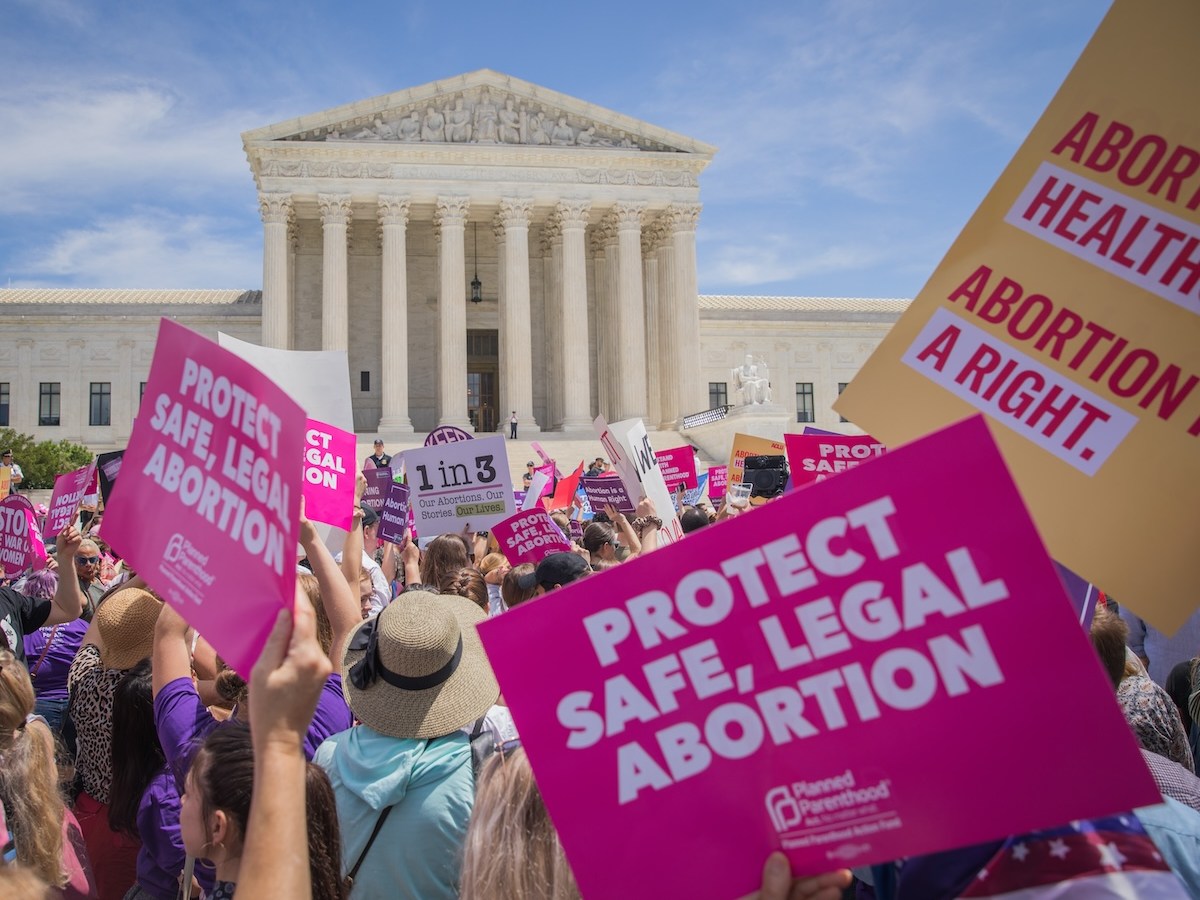
Plenty of talking points about abortion medication are repeated that are not based on scientific fact or evidence, according to experts

That opinion — never previously offered by a Florida attorney general — is being lavishly praised by Second Amendment advocates

It’s a striking shift from law enforcement in the nation’s most aggressive anti-undocumented immigration state
Related
Source link