
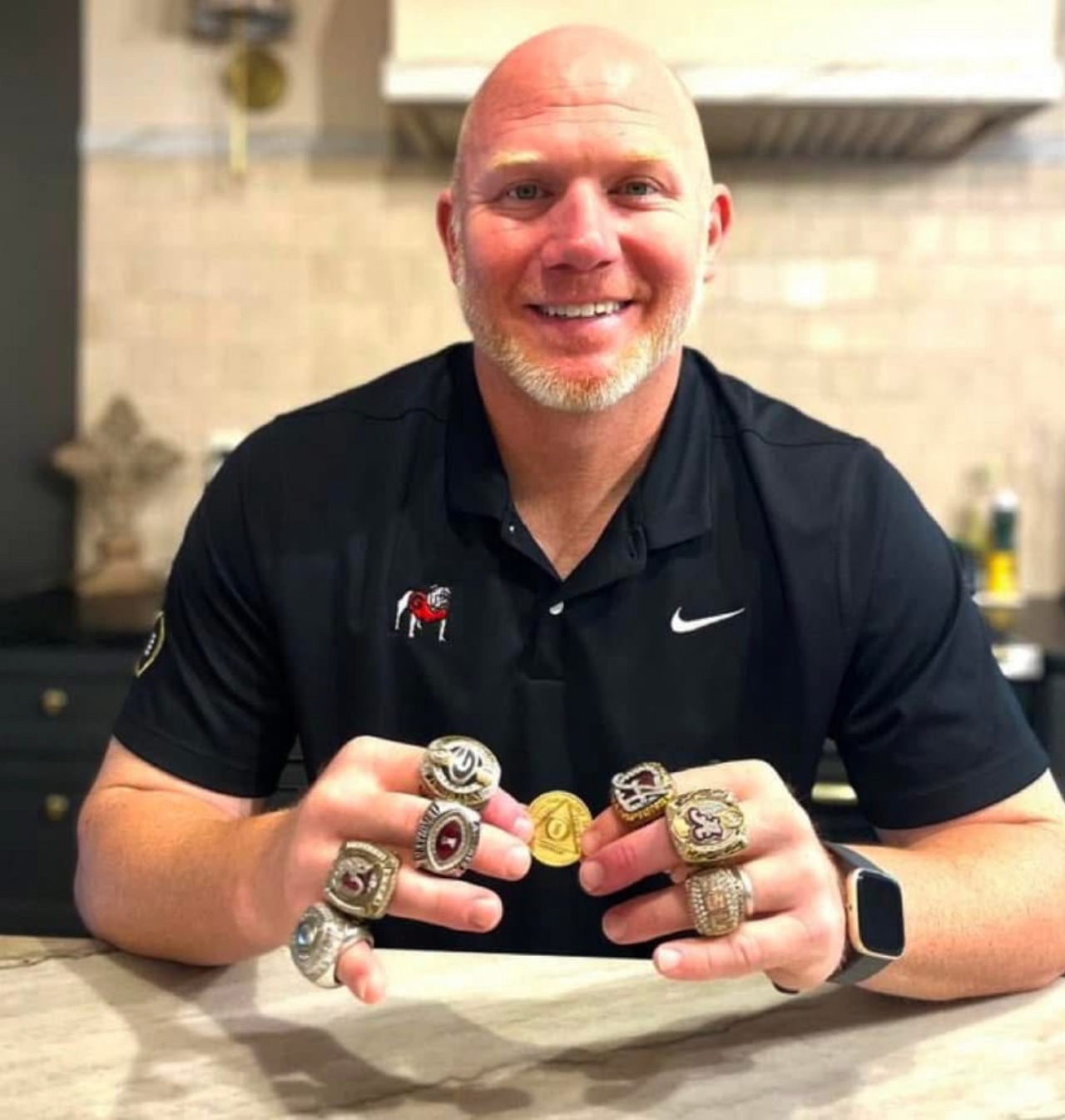
“I just received my 2-year chip,” he said, his voice rising.
Scott Cochran sounded less raspy, more calm than I remembered him.
“Oh, I still get fiery, said the University of West Alabama head football coach. “I have 130 football players here in Livingston. I need to keep them in check.”
Cochran sounded at peace as we chatted. He was moving furniture into his new digs. “Home base is still Tuscaloosa,” said Cochran. “But I need a little place here in Livingston since I’m here so much.”
He was the most famous strength and conditioning coach in college athletics. He was upbeat and loud, in an energizing kind of way, and his road to stardom took him from the brink of death to a purpose-driven life.
It was a road with curves and hills. It was life in the fast lane. A road that has reached both redemption and admiration.
He was always outgoing and confident. A high school football and basketball star in New Orleans, Scott Cochran found himself in the LSU weight room in 2000. An interview here and an interview there, and Cochran was suddenly a graduate assistant on the LSU football team. Tigers’ head coach Nick Saban named Cochran his strength and conditioning coach in 2003.
He landed in Tuscaloosa in 2007 alongside his head coach. Scott Cochran went after it in the weight room, on the practice fields and on the sidelines.
He was the “yeah, yeah, yeah, yeah” coach, a 28-year-old with boundless energy and a voice that could be heard all the way to Northport. A national championship in 2009, another in 2011.
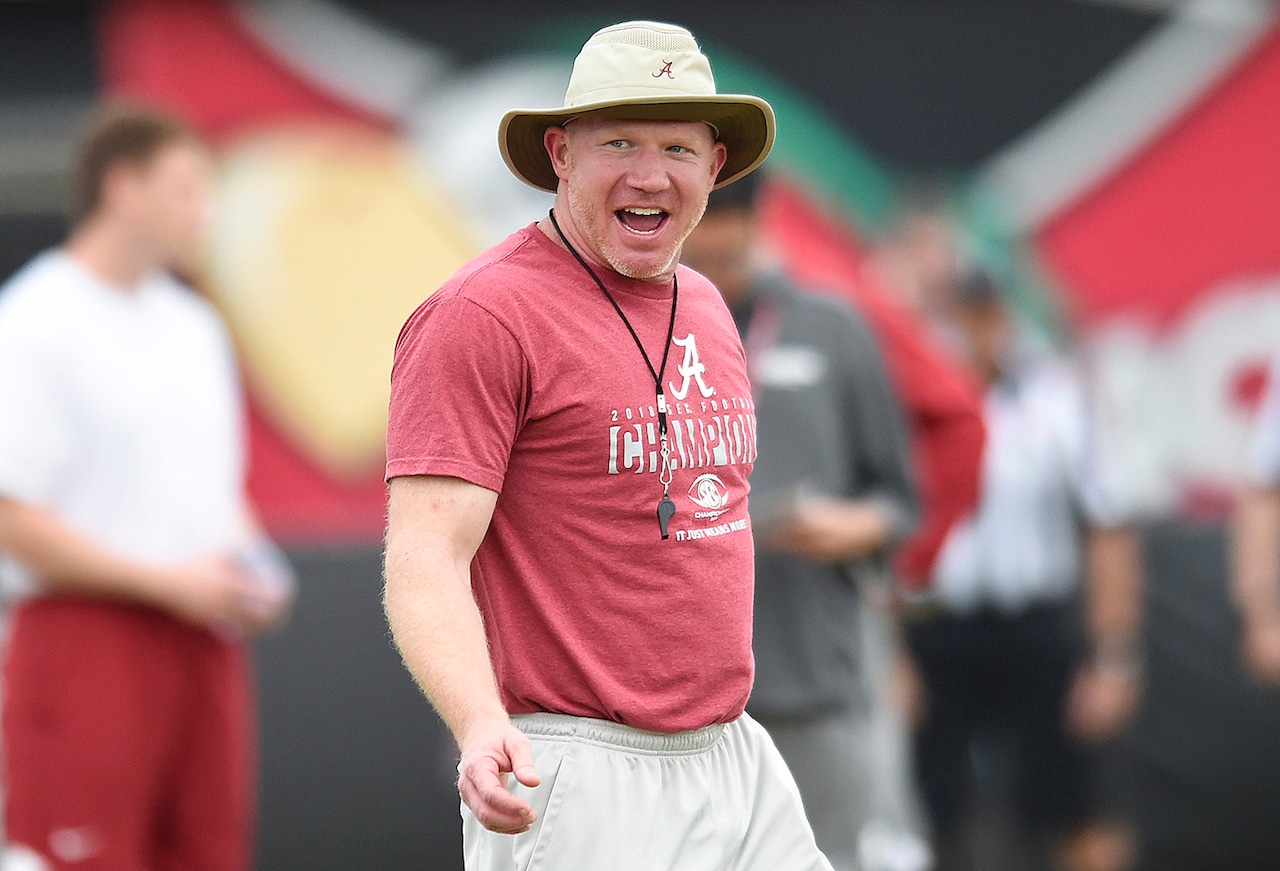
That’s when the splitting migraines began. That’s when the pressure on both temples nearly crippled him.
“It began in 2011,” Cochran told me. “I tried blood thinners and ice buckets and Tylenol. The team doctors told me my yelling was causing my headaches and told me to stop. My ego got in the way, and I kept on yelling.”
How could he stop yelling? Yelling is what made Scott Cochran a star.
He was on the videoboard at Bryant-Denny Stadium during games.
He was a celebrity.
TV commercials.
“60 Minutes.”
Bama fans would scream, “yeah, yeah, yeah, yeah!” when they spotted him.
Still, Scott Cochran needed something to dull the pain. Hydrocodone and Vicodin didn’t work. Oxycodone did.
Scott Cochran was addicted to fame. He was addicted to painkillers, too.
He was a ball of energy as a result of the painkillers.
“My pain was taken away, and the Oxy gave me energy all day,” said Cochran. “I thought to myself how great it was, but I continued to need more.
“I had three people supplying me drugs — two doctors and a man on the street.
“Nobody knew I was an addict,” Cochran added, “not even Coach Saban.”
Nobody knew.
Not a soul was aware of celebrity Scott Cochran downing as many as 25 pills a day.
They didn’t know Cochran snorted pills behind backs and in bathroom stalls.
They didn’t know he would combine three 30 milligram Oxy pills with Adderall and see where they took him.
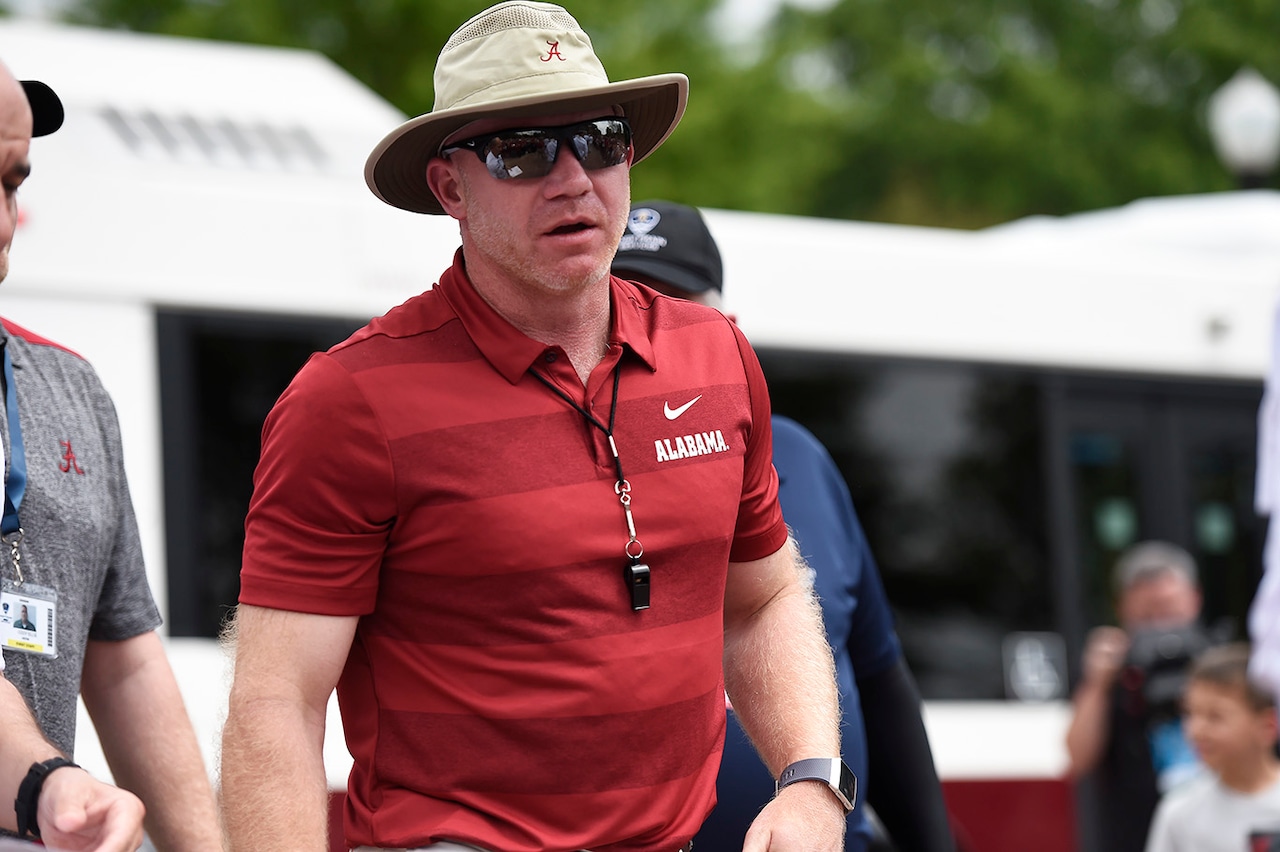
“From 2011 to 2020, there was not a practice or a Bama football game at which I was not high,” Cochran told me. “I didn’t take time off from doing drugs. I was the worst of the worst of addicts.”
The Bama Nation rumbled in the spring of 2020, and it wasn’t just because the Covid pandemic had arrived. News came that Scott Cochran would be leaving the Crimson Tide to join Coach Kirby Smart and the Georgia Bulldogs as special teams coordinator.
“I thought a new beginning might help me,” Cochran said. “It didn’t.”
“It was the spring of 2020 when I told Kirby I needed to get back to Tuscaloosa to sell my house,” said Cochran. “The problem was, when I returned to Tuscaloosa I returned to my drug playground.”
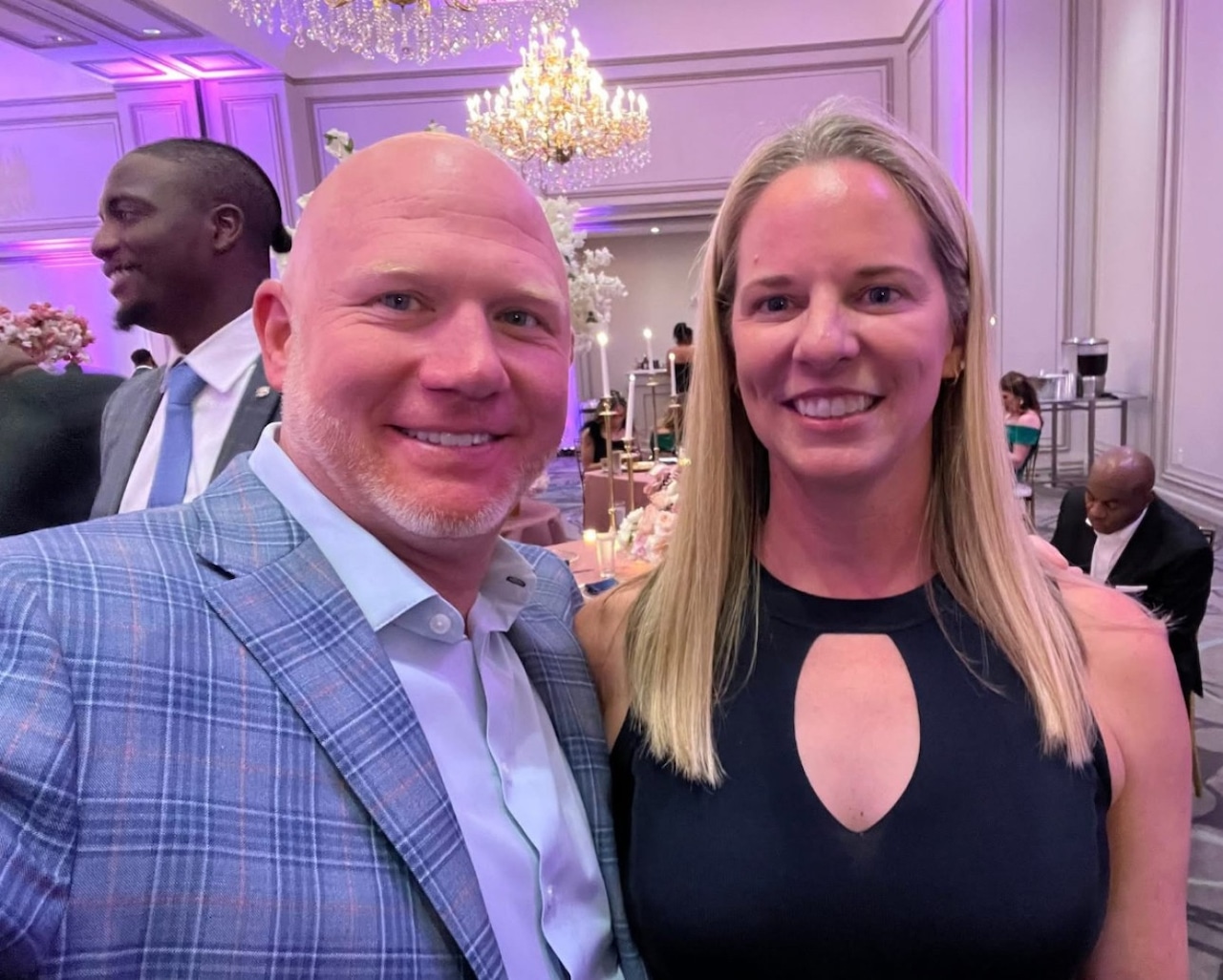
Cissy Cochran found her husband in the office above their Tuscaloosa garage.
“I was all but dead, slumped over a in a chair” Cochran told me. “Somehow I lived. Cissy knew then. I entered rehab in April of 2020.”
Scott Cochran looked in the mirror, and he decided the man he saw was the man to blame. “I walked into Kirby’s office in the spring of 2021 and told Kirby I was a drug addict. On June 30, 2021, I went back to rehab and spent 100 days at a facility in Seekonk, Massachusetts,” said Cochran.
The 2021 and 2022 football seasons were good to Scott Cochran and good to the Dawgs. Cochran remained free of drugs and helped Coach Smart and the Bulldogs win back-to-back national championships.
Then came the fall of 2023. Fentanyl was now in the picture.
Scott Cochran nodded to his wife when she looked him in the eyes. Cochran had relapsed, and six weeks after the 2023 bowl game, Cochran resigned from his job with the Bulldogs. He owned eight national championships, yet he had more work to do.
He took in more rehab and more counseling sessions. He toured the country in 2024 telling his story and doing what he does best: speaking to athletes and coaches passionately with an occasional “yeah, yeah, yeah, yeah.”
“We’ve always been a place that believes in people,” University of West Alabama Director of Athletics Brett Gilliland told me. The UWA Tigers were looking for a football coach after the 2024 season, and the name Scott Cochran popped up.
“Everyone is going through something,” added Gilliland. “If that something is not good, we don’t let it define us. We put structures around people here to help people change and succeed.”
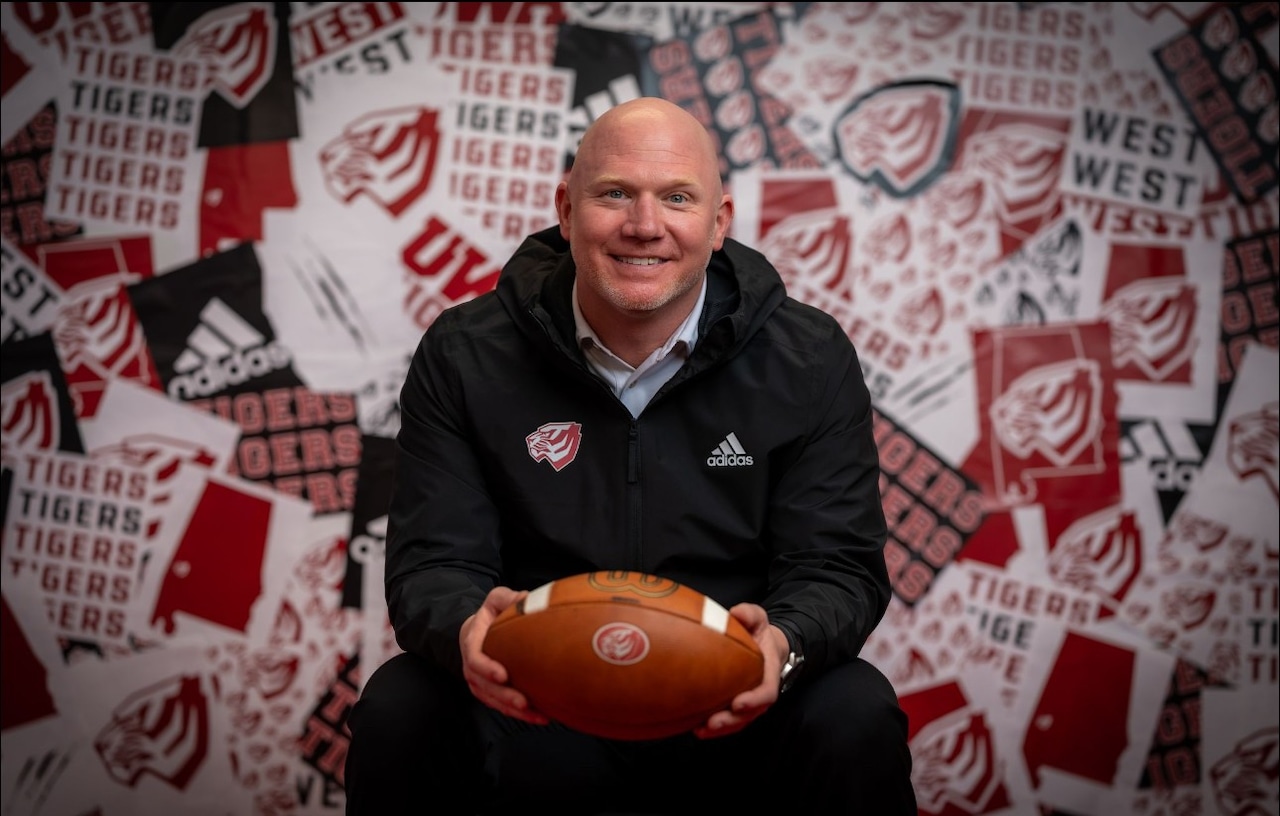
It was early 2025, and the UWA Tigers had their football coach. And Scott Cochran found himself with not only a new job but also a new purpose.
“I told my story to my players from day one,” said Cochran. “I had individual meetings with each player. I told them recovery is a big part of my life. I told them it’s not about falling in life, but rather getting up.”
Scott Cochran remembered them well. They are called skull sessions, the mental development meetings players and coaches at LSU and Alabama took part in. The meetings taught players to confront their fear of failure and their ambitions head on.
Cochran is proud of the book co-written by Ivan Maisel.
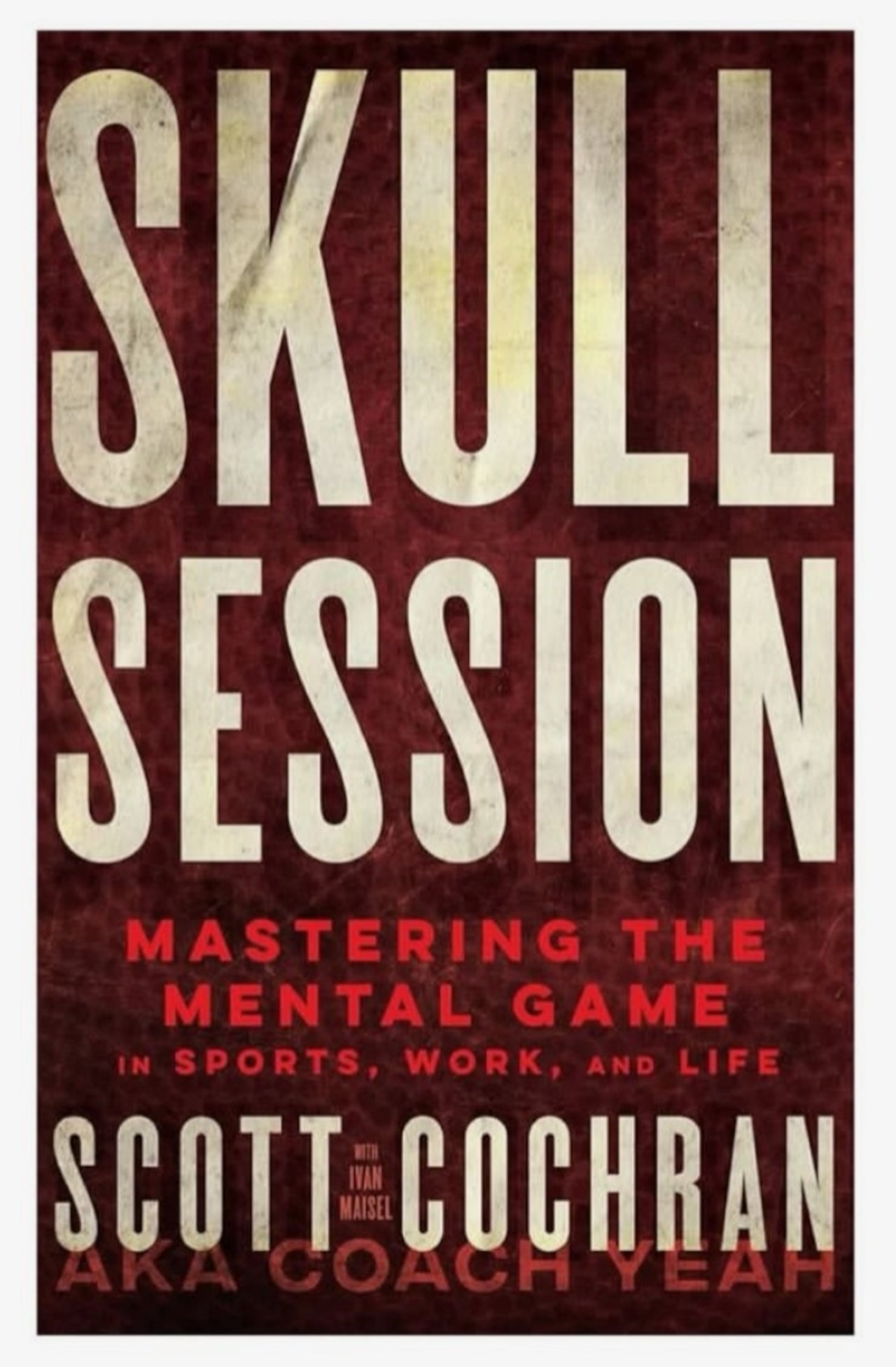
“The book is great for businesses and teams. It’s about character development. I feel readers can use my story to help them,” said Cochran.
Cochran’s new purpose-driven life also involved reaching more than his football players. Together with Jeff Breedlove, Cochran formed the American Addiction Recovery Association. Cochran is the association’s president. He leads the charge in advocating to eliminate the whispers surrounding recovery.
“The destruction of addiction happens daily,” said Cochran. “Recovery is real. There is extreme guilt felt by many who are in recovery. These people need to know they are not alone.”
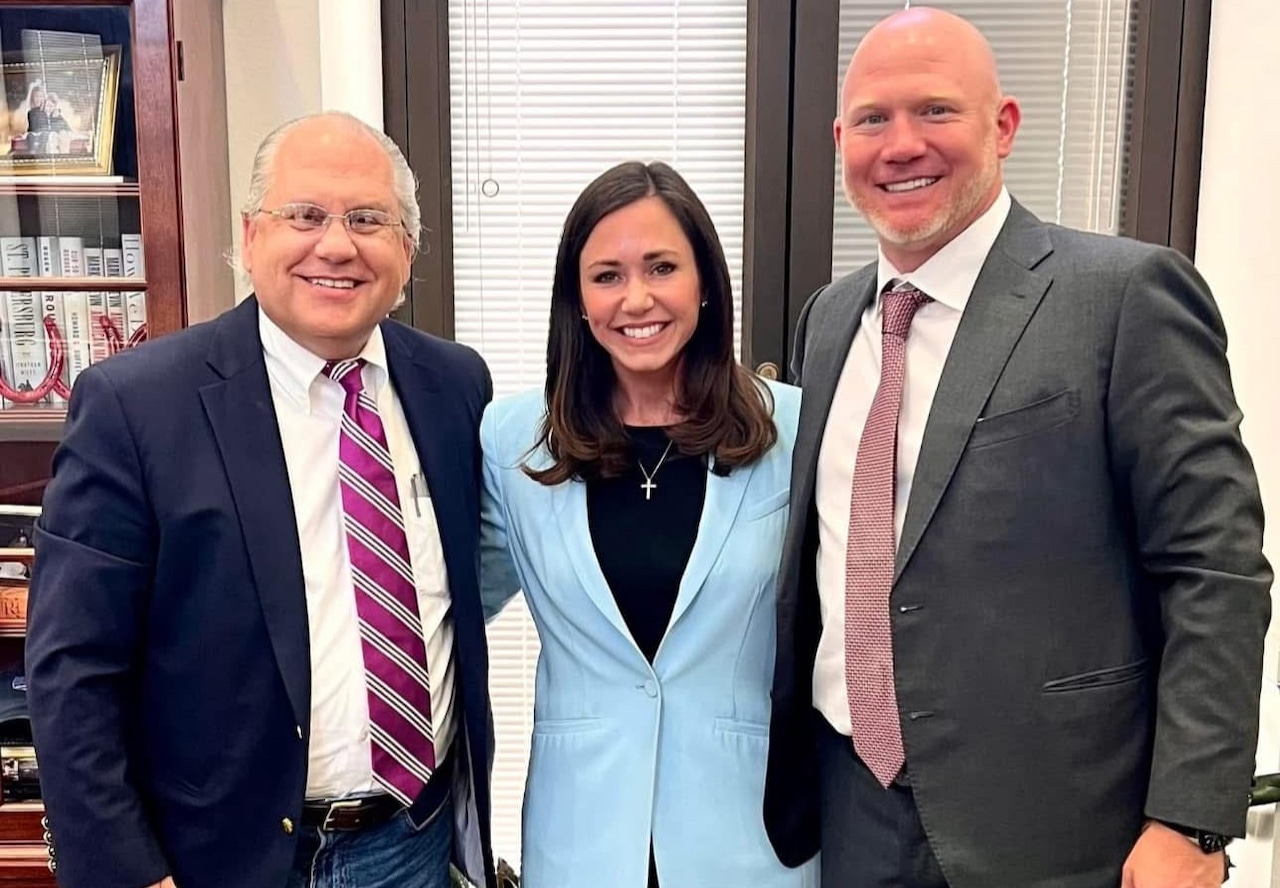
Just a few years ago, Scott Cochran could not have imagined he would be an author and an advocate. There were times he wondered if he would be sober as he was caught between fame and drugs. Today, the 46-year-old is coaching football and doing plenty of life coaching as well.
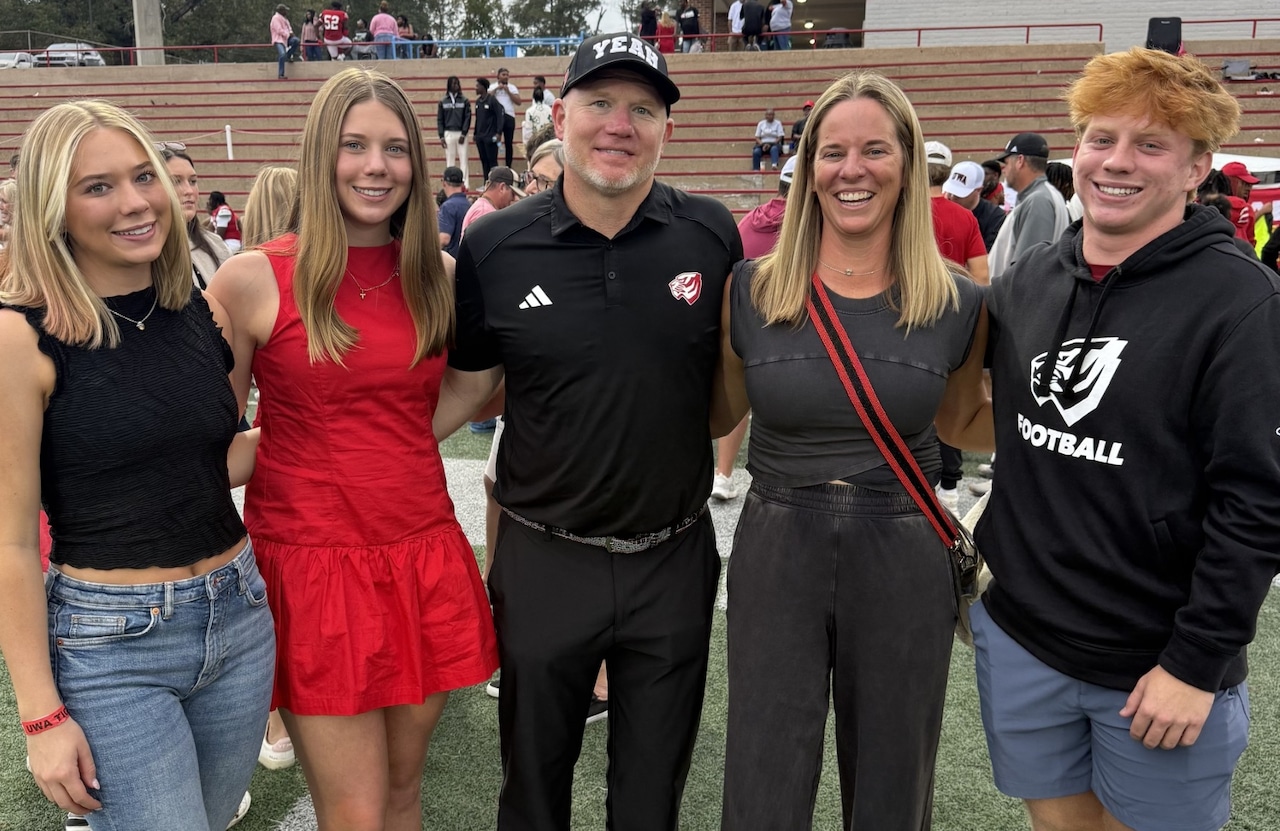
“Just the other day, Scott was telling me how happy he is to have his job,” Scott’s wife, Cissy, told me. “I always thought Scott had a gift to talk to people, to communicate. He’s very happy in this setting.”
Life is good for Scott Cochran. “My son Beau has joined our team. He’s a long snapper, running back and safety,” added Cochran, who with Cissy is also blessed with daughters Savannah, 17, and Lucy, 14.
Just about any morning, you can find Scott Cochran on the rowing machine.
“It’s my go-to exercise. Exercising gives me peace,” said Cochran, reminding me that he continues to work hard on being the best Scott Cochran he can be.
Cissy Cochran has seen that peace surrounds her husband.
“He’s found his niche,” Cissy said. He’s busy, yet in control. He’s found his purpose, and we are all happy for him.”
“I hit my ultimate low several times,” said Cochran as our conversation wound down. The man who once never took a day off from drugs today never takes a day off from feeling blessed by God’s grace.
“I now have that purpose I have searched for and that’s coaching and helping people,” said Cochran.
I congratulated Cochran again for being awarded his 2-year chip signifying 24 months of sobriety.
“Remember,” said a cheery and upbeat football coach. “Life is not about falling, it’s about getting up.”