
Politics
Plus: How Massachusetts counts ballots — and when results become official.
You’re reading Ballot Brief, Boston.com’s free election newsletter. Sign up to get coverage of the races and issues that matter most to Massachusetts voters in your inbox every week.
Sen. Ed Markey’s primary election win over Rep. Seth Moulton may have dominated headlines, but the senator still has one more task at hand before he secures another term: defeating Republican John Deaton in the general election.
In deep-blue Massachusetts, during a midterm election cycle where Democrats are growing increasingly confident nationwide, Markey is an unsurprisingly strong favorite. A mid-August poll from UMass Amherst found Markey leading Deaton in 51 percent to 30 percent in a hypothetical matchup. Later in August, a University of New Hampshire poll found Markey leading Deaton 49 percent to 30 percent.
Who is John Deaton?
In short, he’s a 59-year-old lawyer who specialized in cases representing asbestos poisoning victims before pivoting to the world of cryptocurrency. His route to politics was long and tumultuous, something Deaton is not shy about making public.
Deaton’s 2023 memoir, “Food Stamp Warrior,” tells the sometimes scandalous story of how he escaped childhood poverty in Detroit to become a high-profile Massachusetts attorney. He describes beating a childhood bully with brass knuckles, seeing his mom get stabbed during a robbery, and being raped repeatedly as a child. He also writes about attending law school in Boston, serving in the Marines, and battling addiction as an adult. There are stories about a “coke-fueled sex bender,” lying to police, and more. Boston.com took a deep dive into the memoir in 2024.
That year, Deaton became a first-time political candidate when he ran against Sen. Elizabeth Warren. He sought to portray himself as an independent voice, distancing himself from President Donald Trump and the national MAGA movement. Warren ended up winning by a roughly 20-point margin.
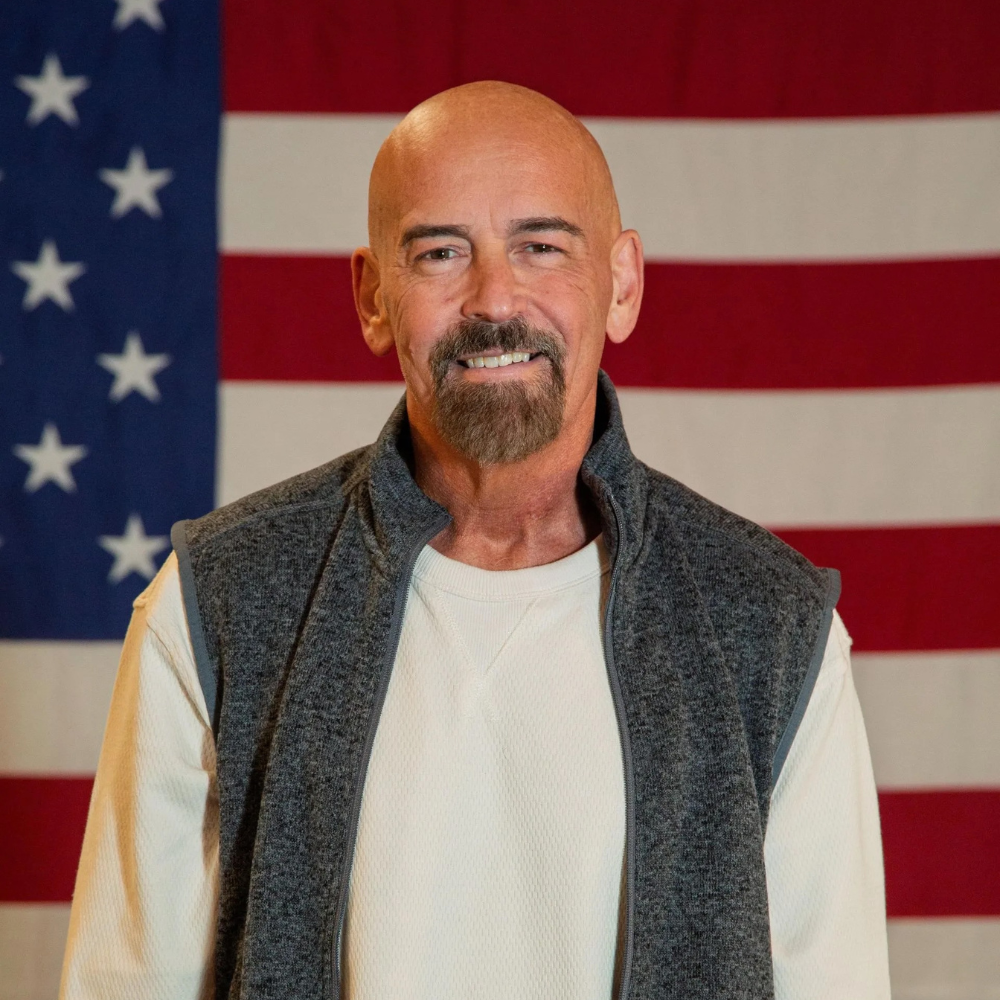
‘I’m not asking people to become Republicans.’
Two years later, Deaton is back for another Senate run with a similar strategy. When asked about reaching non-Republican voters, Deaton emphasized his “People Over Politics” town hall events and denounced “culture-war talking points.” He made sure to mention that he has never voted for Trump.
“Massachusetts is full of independents and unenrolled voters tired of both parties treating them like a cheering section,” Deaton said in written comments to Boston.com this week. “I’m not asking people to become Republicans. I’m asking them to send someone who has lived paycheck to paycheck and will fight for results.”
Deaton is hoping to put himself in front of more potential voters, challenging Markey to a “full slate” of debates before election day on Nov. 3.
“If Ed Markey could stand on a debate stage seven times in the middle of a pandemic, he can stand on one now,” Deaton said in a recent statement.
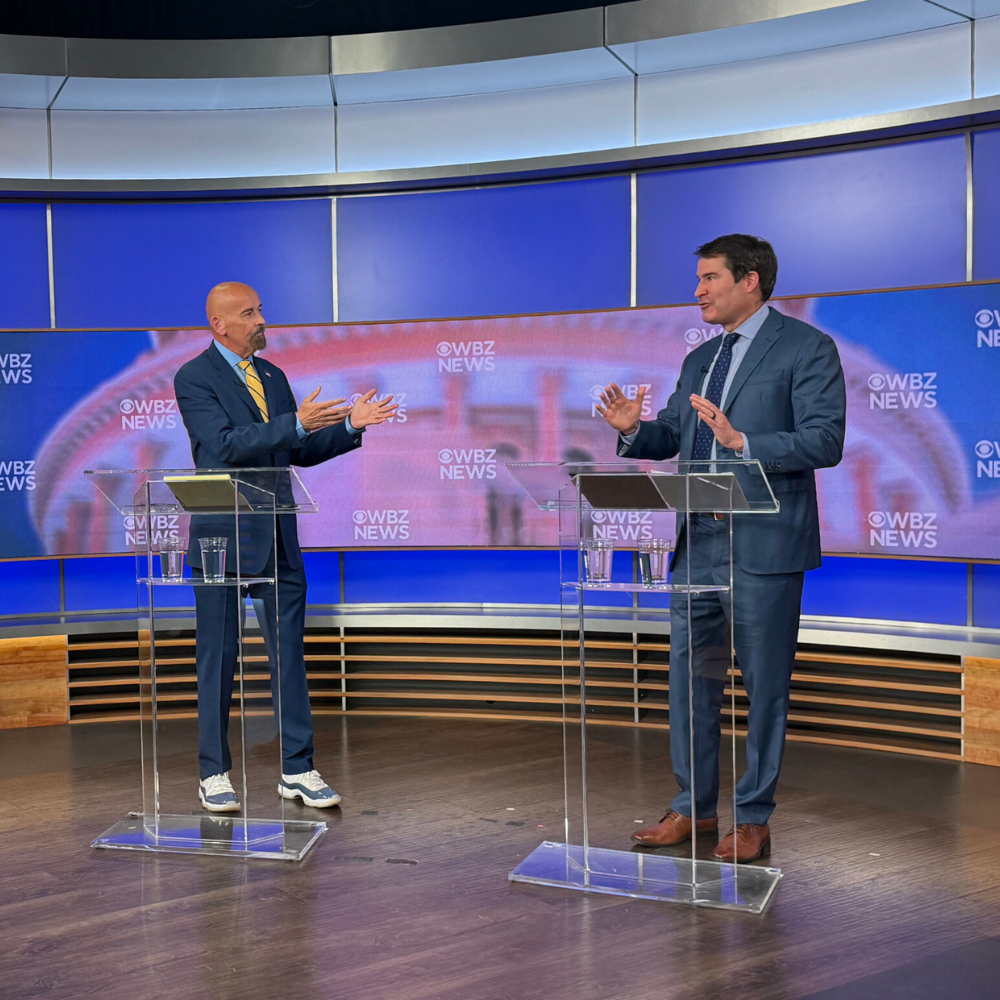
Deaton participated in an unconventional debate with Moulton in June. (Markey did not participate.)
Deaton’s vision for Congress
When asked about a piece of legislation he would file in Congress, Deaton advocated for a proposed constitutional amendment that would cap service in the House to three two-year terms and service in the Senate to two six-year terms. His opponent’s age was a big focus of the primary. Markey is 80, and has pledged to step down after one more term should he win reelection.
Deaton also wants “a ban on stock, crypto, and commodities trading by members of Congress, a lifetime lobbying ban after leaving office, and no congressional pay if Congress fails to pass a budget.”
How are ballots counted in Massachusetts?
Last week, we asked for your Election Day questions, and reader Chris G. responded. He wanted to know the final tally from the State Rep. 24th Middlesex District Democratic primary race between incumbent David Rogers and Nomita Ganguly.
Here’s what the Secretary of the Commonwealth’s office told me:
- David M. Rogers: 7,002 votes (70.6%)
- Nomita Ganguly: 2,907 (29.3%)
- All Others: 4
- Blanks: 855
- Grand Total: 10,768
You can find a breakdown of the votes across the district (which includes Arlington, Belmont, and Cambridge) for each candidate here. And every Massachusetts State House primary election result here.
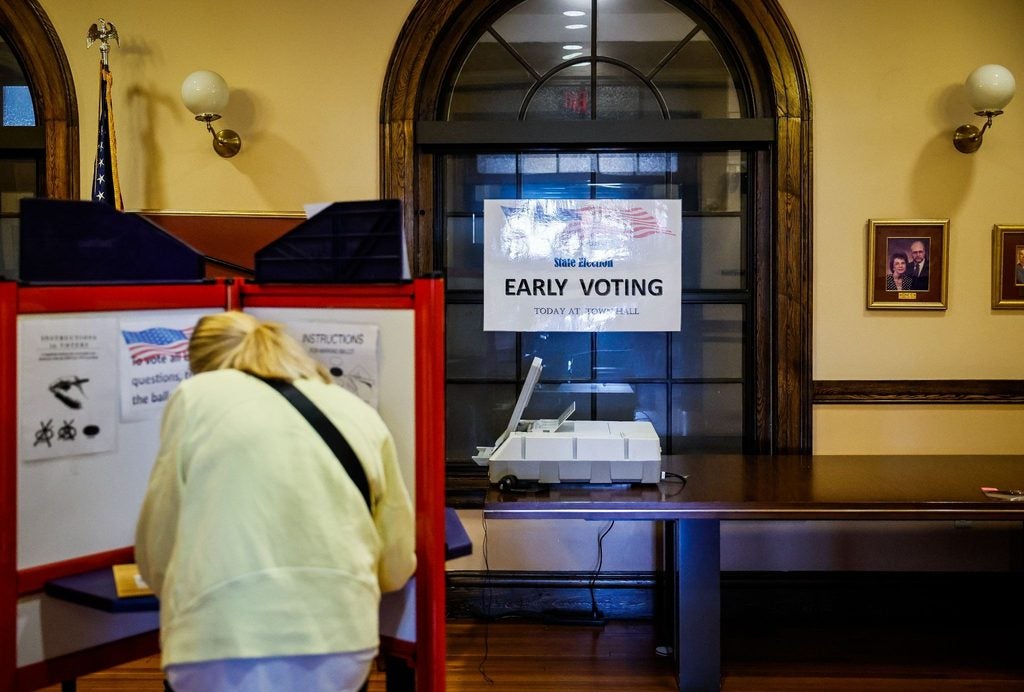
That got me thinking: Between early ballots and in-person voting, how exactly are votes counted in Massachusetts?
It starts weeks before Election Day as early ballots arrive by drop box, mail, or in person, according to a Boston Elections Department official. Local officials don’t begin “advance processing,” a public process where early and absentee ballots are opened and fed into electronic tabulators, until about a week before Election Day (though results can’t be released until polls close).
Election Day itself is a mix of counting any old (i.e. non-tabulated absentee or early ballots) and new ballots. If you vote in-person on Election Day, your ballot is counted on Election Day. After polls close, tabulators print out a receipt of vote totals at each location. Campaign observers often photograph these and send them back to their campaign, which is why you sometimes see a candidate’s victory speeches before a race is called, according to the Boston Elections Department official.
“Unofficial” results usually don’t include write-in, provisional, military, or overseas ballots. Write-ins can’t be read by machines, so those get hand-counted afterward. Local election officials have four days in state primaries to submit official results for certification; for the general election in November, local officials have up to 15 days to submit final numbers before the Governor and Governor’s Council certifies results (usually in late November or early December).
Got more questions about Election Day? Send them my way at [email protected].
🗳️ Get the Ballot Brief
Stay up to date on the latest Election 2026 news from Boston.com.