
If you grow a lot of striking trees and shrubs, you need something more interesting than bare soil or mulch to cover the area under their spreading branches. Groundcovers do that job wonderfully. And you don’t have to mow them.
The groundcover we have the most of is Vinca, or periwinkle, which is best in shady areas, has purple or white flowers in spring and early summer and a glossy dark green foliage. We have some all along our driveway, and it is attractive even when not in bloom. It will stand foot traffic when you need access to larger plants to cut flowers, prune branches or just get a close look at what is growing. There is also an annual Vinca, but that doesn’t work as a ground cover.
Another favorite is sweet woodruff, with the botanical name Galium odoratum. It is a diminutive plant with tiny white flowers and small, whirled foliage. But be forewarned: if you don’t remove leaves that fall on it, it can get smothered.
We first started to grow this about 40 years ago after going to a wine tasting where they served a German May wine, the traditional drink for May Day in Germany, which is made using sweet woodruff. We never got enough to make the wine ourselves, although it did eventually spread.
Another one is Ajuga, which has the common name bugle weed. It definitely is not a weed, but it is a tough plant. Its foliage is highly attractive, with some leaves purple to almost black and others variegated with dark green and white, depending on the species you plant. In addition to the attractive foliage, Ajugas produce flowers that can range from violet to white.
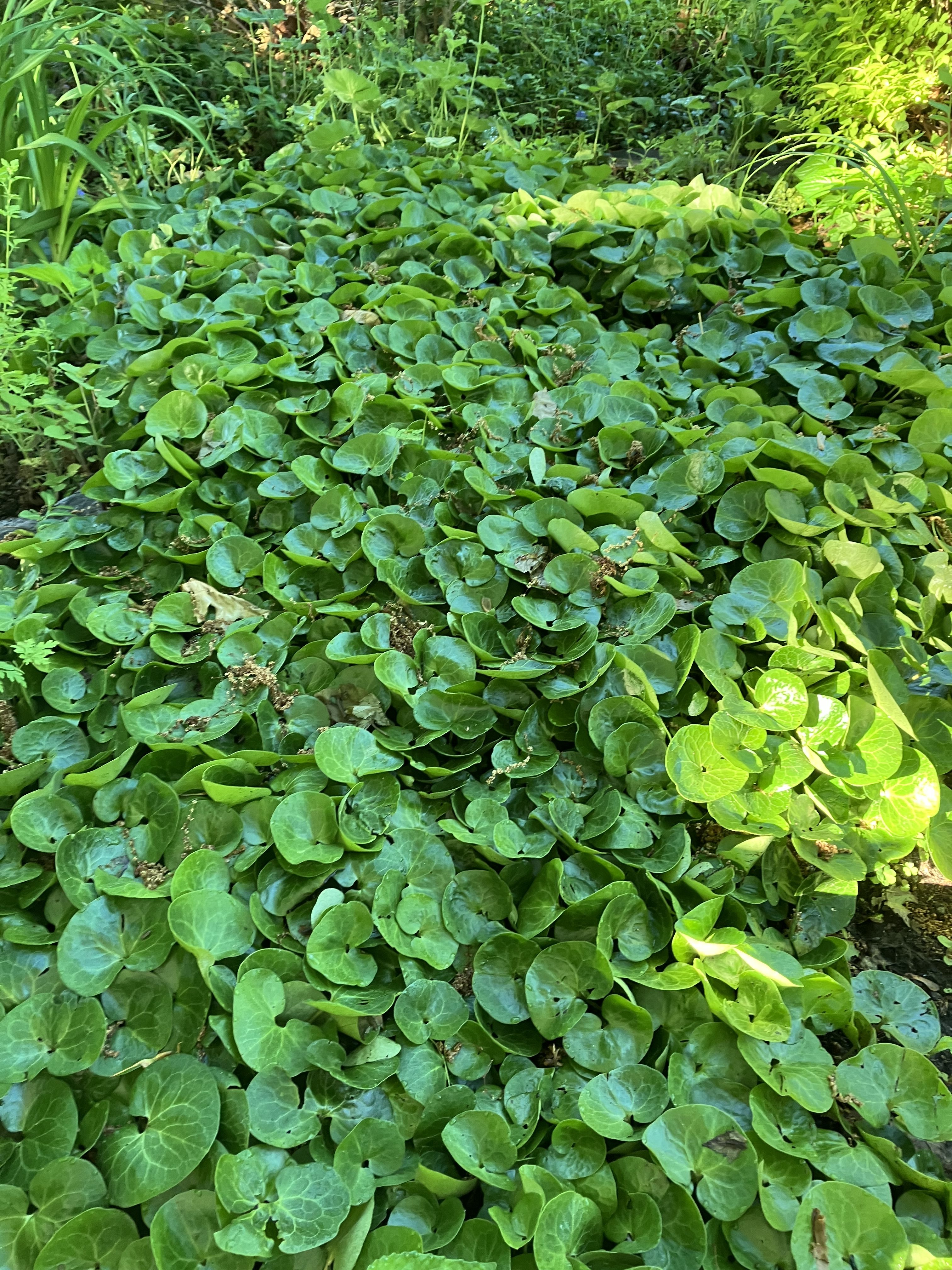
We also have wild ginger, which has an attractive leaf and an interesting hidden flower that grows at the base of the stem, and you can only see it if you look for it beneath the leaves.
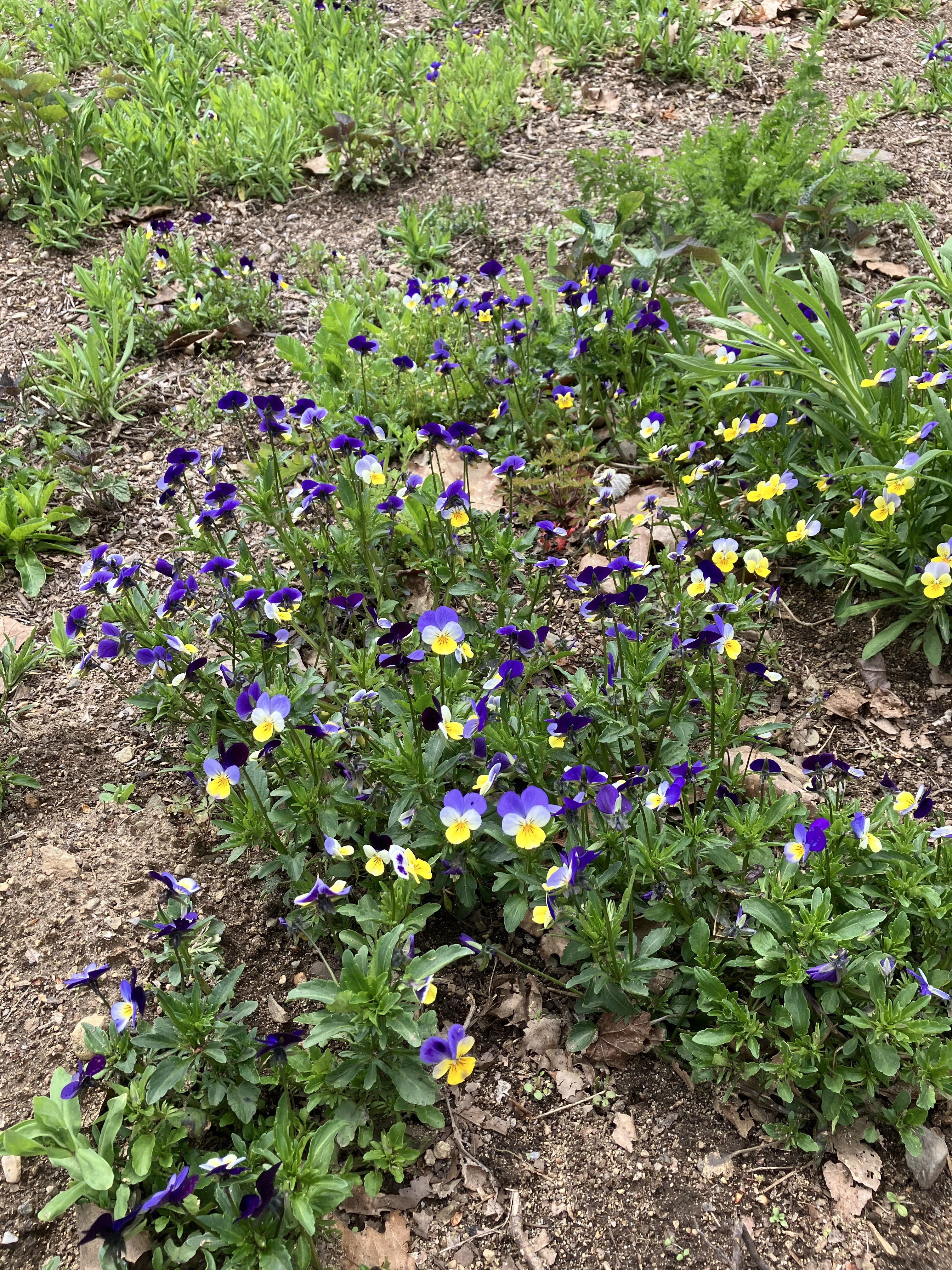
Although it is not typically considered a ground cover, Johnny jump-ups – botanical name Viola tricolor – are a native short-lived perennial pansy that can function as a groundcover. While the individual plants won’t live more than a year or two, it self-seeds well and comes up regularly in both of our vegetable and flower gardens.
Our lawn is also home in large part to native violets, which are also working as a groundcover.
Irish moss is a good groundcover if you have stepping stones or stone walls in your garden because it will grow between them. With the botanical name Sagina, it has tiny white flowers and produces tiny green mats.
In Maine, almost any short plant that will grow sideways can be a good groundcover, provided the gardener remembers that there will be a lot of falling leaves every growing season.
AVOID THESE PLANTS
Here are two to avoid:
First is the mints. They will cover the ground, but they also spread like crazy and self-seed. Mint will go places you don’t want it to.
The next is Pachysandra, also called spurge. It grows about 6 inches tall and has evergreen leaves, which hold onto every leaf that wants to blow by. Over time, the leaves will smother the plant.
THINGS TO DO
It’s time to harvest lettuce. Ours keeps producing and we keep eating it.
If you haven’t already, you should stop harvesting your asparagus.
As I was walking the garden before writing this column, I saw a lot of green and still-growing strawberries, which should begin to ripen soon. Keep an eye out for slugs and other pests.
Now is a good time to put out your tomato cages and other climbing supports if you haven’t already.
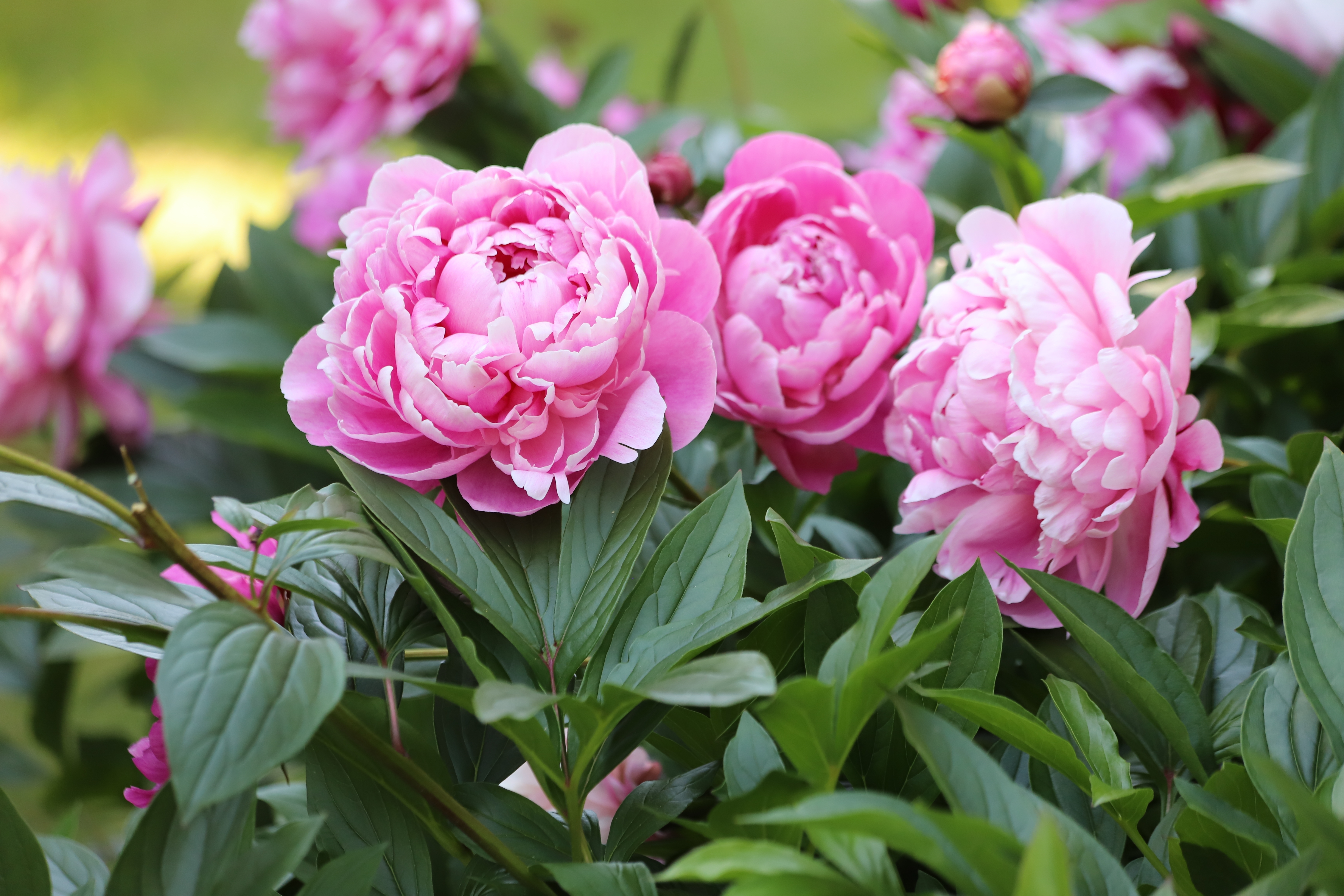
If you still have unopened peonies, you can store them for later by cutting them in their “marshmallow” stage, before they are open. Strip them of all leaves, wrap them individually in paper towels or newspaper and put them in a loose plastic bag in the fridge. They will keep for up to 3 months. When you take them out, put them in a vase with water and they’ll bloom.
From The Garden is published in partnership with Eat Drink Lucky and sponsored by Skillins Greenhouses.